

The Most Common Cleaning Mistakes Charlotte Homeowners Make (And How to Fix Them)
Look, I’ve been cleaning homes in Charlotte for over a decade, and I’ve seen it all. Beautiful houses with gorgeous hardwood floors ruined by the wrong products. Granite countertops that lost their shine because someone used the “miracle cleaner” they saw on TV. And don’t even get me started on what happens when people mix bleach with the wrong stuff.
Here’s the thing: most homeowners aren’t making these mistakes because they’re lazy or don’t care. They’re doing it because nobody ever taught them the right way. Your parents probably didn’t sit you down for a “how to clean properly” lesson, right? You just figured it out as you went along, picking up tips from commercials and that one friend who seems to have everything together.
Today, I’m going to walk you through the biggest cleaning mistakes
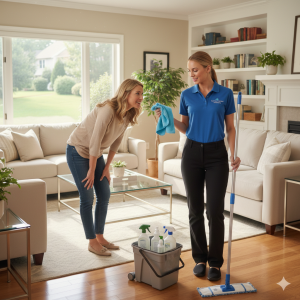
I see Charlotte homeowners make every single week. More importantly, I’ll show you exactly how to fix them.
Using Too Much Cleaning Product
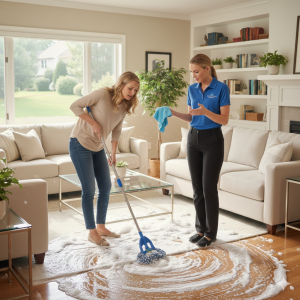
This is probably the number one mistake I see. People think more soap equals cleaner floors. Wrong.
When you use too much product, it doesn’t rinse away completely. Instead, it leaves a sticky residue that actually attracts more dirt. Ever notice how your floors look great right after mopping but seem dirty again the next day? That’s probably why.
Here’s what to do instead:
- Use half the amount the bottle recommends (seriously, they want you to buy more)
- For most floor cleaners, a capful in a full bucket is plenty
- If you see suds, you’ve used way too much
- Always do a final rinse with plain water
I learned this lesson the hard way in my first year. I was using so much Pine-Sol in a client’s kitchen that the floor was practically sticky. She slipped in her socks and nearly fell. Not my proudest moment.
Cleaning Windows on Sunny Days

I know it sounds weird, but sunny days are terrible for window cleaning. The heat makes the cleaning solution dry too fast, leaving streaks everywhere. You end up going over the same spots five times and still see lines.
Clean your windows on cloudy days or when that side of the house is in shade. The solution stays wet longer, giving you time to wipe it properly. Use a microfiber cloth or a squeegee, and work from top to bottom.
One more thing: newspaper works great for streak-free windows. My grandmother taught me that trick, and it still works better than most fancy cloths you can buy.
Scrubbing Carpet Stains
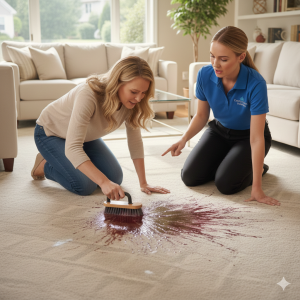
When something spills on your carpet, your first instinct is to scrub it out. Stop right there. Scrubbing pushes the stain deeper into the carpet fibers and spreads it around.
Blot instead. Press a clean cloth down on the stain and lift. Press and lift. Keep doing this with clean sections of the cloth until nothing more comes up. Then treat it with your carpet cleaner.
For red wine, coffee, or pet accidents, blot first with cold water (never hot – it sets protein stains). Then use your cleaner. I’ve saved countless carpets in Charlotte homes just by teaching people this simple switch.
Using Feather Dusters
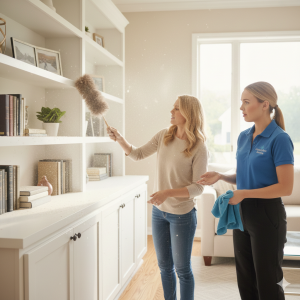
I hate to break it to you, but feather dusters don’t actually clean anything. They just move dust around. You wave it over your bookshelf, the dust flies into the air, then settles right back down an hour later. Sometimes it lands on something else entirely.
Microfiber cloths are your best friend. They actually trap dust instead of relocating it. Use them dry for most surfaces, or slightly damp for really dusty areas. Wash them regularly, and they’ll last for years.
I keep about twenty microfiber cloths in rotation. When people see how fast I can dust their entire house without creating a dust storm, they always ask what my secret is. It’s just the right tools.
Ignoring Cleaning Product Labels
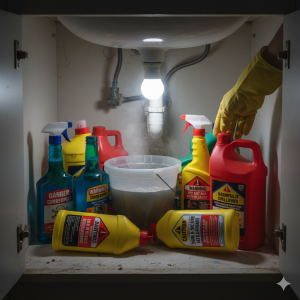
Mixing cleaners is dangerous. Bleach and ammonia create toxic gas. Bleach and vinegar make chlorine gas. Even some store-bought cleaners shouldn’t be mixed together.
I once responded to a call where a homeowner had mixed three different bathroom cleaners trying to get rid of hard water stains. The smell was so strong we had to open every window and leave for an hour. She got a terrible headache that lasted all day.
Read the labels. If it says “don’t mix with other products,” believe it. And if you’re not sure what’s in something, don’t mix it with anything else.
Cleaning from Bottom to Top
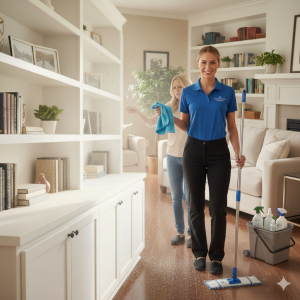
This seems logical until you think about it. If you dust your shelves after you’ve already vacuumed the floor, where does that dust go? Straight down to the floor you just cleaned.
Always work top to bottom. Dust ceiling fans and light fixtures first. Then shelves and furniture. Finally, vacuum or mop the floors. This way, any dust or crumbs that fall down get picked up in your final step.
I time myself sometimes. Cleaning top to bottom saves me at least fifteen minutes per room because I’m not redoing work.
Using Dirty Cleaning Tools
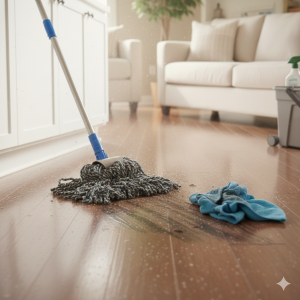
Cleaning with a dirty mop is like washing your hair with dirty water. You’re just spreading grime around.
Rinse your mop thoroughly after every use. Better yet, use washable microfiber mop heads and throw them in the laundry. Vacuum filters need cleaning too. A clogged filter makes your vacuum work harder and pick up less dirt.
I wash my cleaning cloths after every job. My mop heads go in the wash weekly. It makes a huge difference in how well things actually get clean.
Letting Cleaning Products Sit Too Long
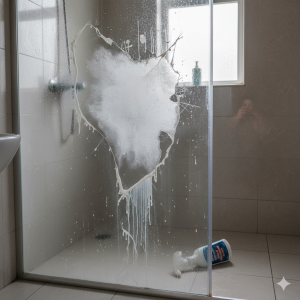
Some people spray cleaner on their shower and let it sit for hours, thinking it’ll work better. Sometimes it does work better. Other times, it damages the surface or becomes impossible to rinse off.
Most bathroom cleaners need 5-10 minutes max. Kitchen degreasers might need 15 minutes for tough buildup. Check the bottle. Setting a timer helps you remember to come back and rinse.
I’ve seen etched glass shower doors and damaged grout from people who left harsh cleaners sitting overnight. Those products are strong for a reason. Respect the instructions.
Neglecting High-Touch Areas
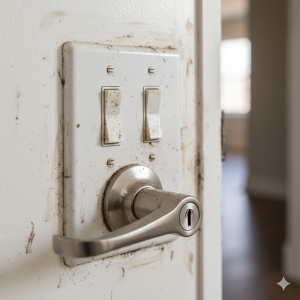
Door handles, light switches, remote controls, and phone screens get touched constantly but cleaned rarely. These spots harbor more germs than most people realize.
During cold and flu season especially, wipe these down daily with disinfecting wipes or a cloth with rubbing alcohol. It takes maybe five minutes and really does help keep your family healthier.
In Charlotte’s humid summers, bacteria grows even faster. I always include high-touch areas in my regular cleaning routine, and my clients notice fewer sick days.
Using Abrasive Scrubbers on Delicate Surfaces
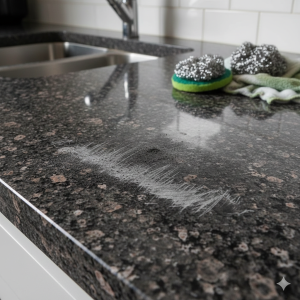
Steel wool on glass stovetops. Scouring powder on granite. Magic erasers on wood. I’ve seen all these disasters happen.
Magic erasers are basically very fine sandpaper. They’re amazing on walls and tough stains, but they’ll strip the finish off wood furniture and dull polished surfaces.
Learn what your surfaces can handle. Glass and stainless steel can take more scrubbing. Natural stone needs gentle treatment. When in doubt, test in a hidden spot first.
Skipping the Vacuum Before Mopping
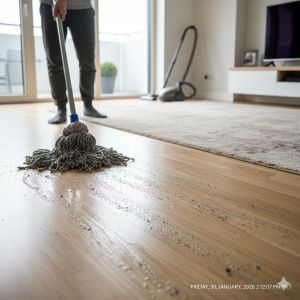
If you mop without vacuuming first, you’re just pushing dirt around in wet form. It gets into corners, under baseboards, and dries into a muddy mess.
Always vacuum or sweep thoroughly before mopping. Get the corners, under furniture edges, and along baseboards. Then when you mop, you’re actually cleaning instead of making mud.
This is especially important in Charlotte homes with the red clay dust we deal with. That stuff turns into paste the second it gets wet.
Not Cleaning in the Right Order

There’s a method to cleaning that saves time and prevents redoing work. Generally, you want to clean the bathroom before the kitchen because bathroom cleaners need time to sit while you work on other areas.
My standard order: pick up clutter, dust from top to bottom, clean bathrooms (let products sit), clean kitchen, vacuum/mop floors last. This way everything flows naturally and I’m not backtracking.
Find a system that works for you and stick with it. Consistency makes cleaning faster every time.
The Bottom Line
Most cleaning mistakes come from using the wrong products, wrong techniques, or wrong timing. The good news? They’re all easy to fix once you know what you’re doing wrong.
Start by fixing one or two of these mistakes this week. Maybe switch to microfiber cloths, or remember to blot instead of scrub. Small changes add up to a cleaner home without working harder.

Your house doesn’t need expensive products or hours of elbow grease. It just needs the right approach. After ten years of cleaning Charlotte homes, I promise you that doing it the right way is almost always easier than doing it the hard way.
https://shorturl.fm/yN5Ep