

How Often Should You Really Clean Each Room in Your Home?
There’s a peculiar guilt that settles in when you notice dust accumulating on your baseboards or when you realize you can’t quite remember the last time you cleaned behind the refrigerator. We’ve all been there—caught between the idealized vision of a perpetually pristine home and the messy reality of actually living in one.
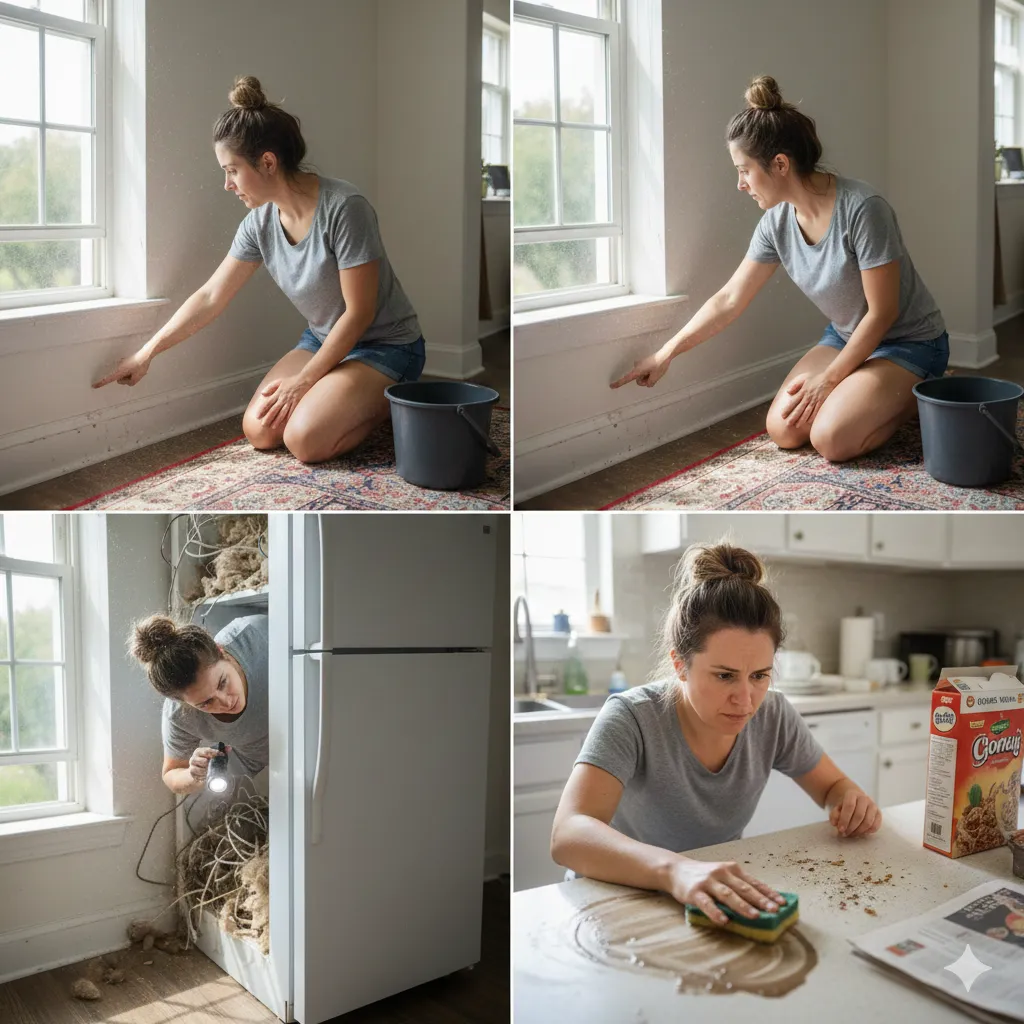
The truth is, there’s no one-size-fits-all cleaning schedule that works for everyone. A household with three kids, two dogs, and a cat will have drastically different needs than a single professional who travels frequently. But understanding the baseline recommendations for each room can help you develop a realistic routine that keeps your home healthy without consuming your entire existence.
The Kitchen: Your Home’s Command Center
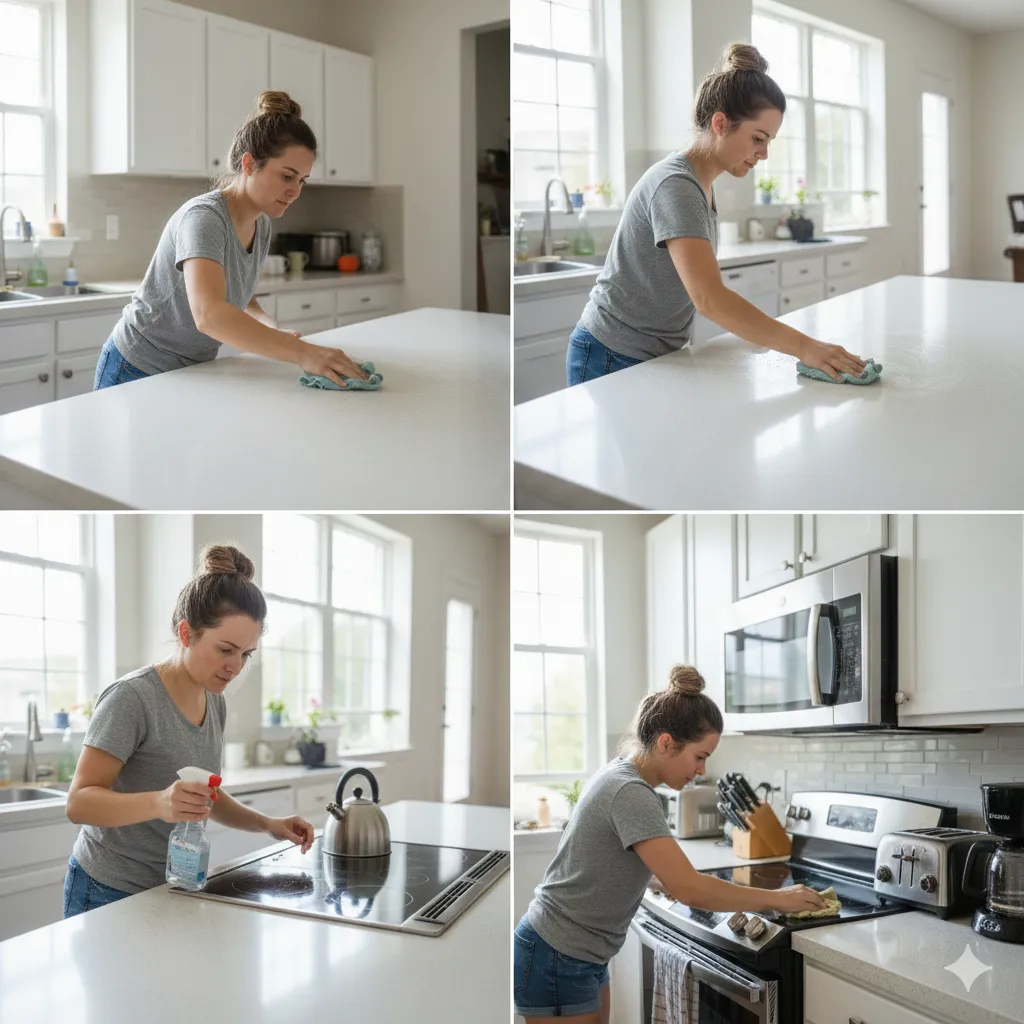
The kitchen demands the most frequent attention, and for good reason—it’s where we prepare food, and neglect here can quickly become a health issue.
Daily tasks should include wiping down countertops and stovetops, washing dishes or loading the dishwasher, and sweeping high-traffic areas. These quick habits prevent the buildup that makes deep cleaning so daunting. I’ve found that doing these tasks immediately after cooking, rather than letting them wait, saves enormous time and prevents that overwhelming feeling of facing a disaster zone.
Weekly cleaning should tackle the inside of your microwave, the exterior of appliances, and a proper mopping of the floor. This is also when you’ll want to wipe down cabinet fronts and clean out the refrigerator, tossing anything that’s passed its prime.
Monthly attention goes to often-forgotten spots: the oven interior, the dishwasher filter and interior, and beneath small appliances where crumbs mysteriously accumulate. These tasks are easy to postpone indefinitely, but addressing them monthly prevents the kind of buildup that requires industrial-strength cleaners and genuine elbow grease.
Quarterly or seasonal projects include cleaning behind the refrigerator, washing range hood filters, and organizing cabinets and pantry spaces. These are the tasks that transform from minor inconveniences into afternoon-consuming projects if you wait too long.
The Bathroom: A Delicate Balance
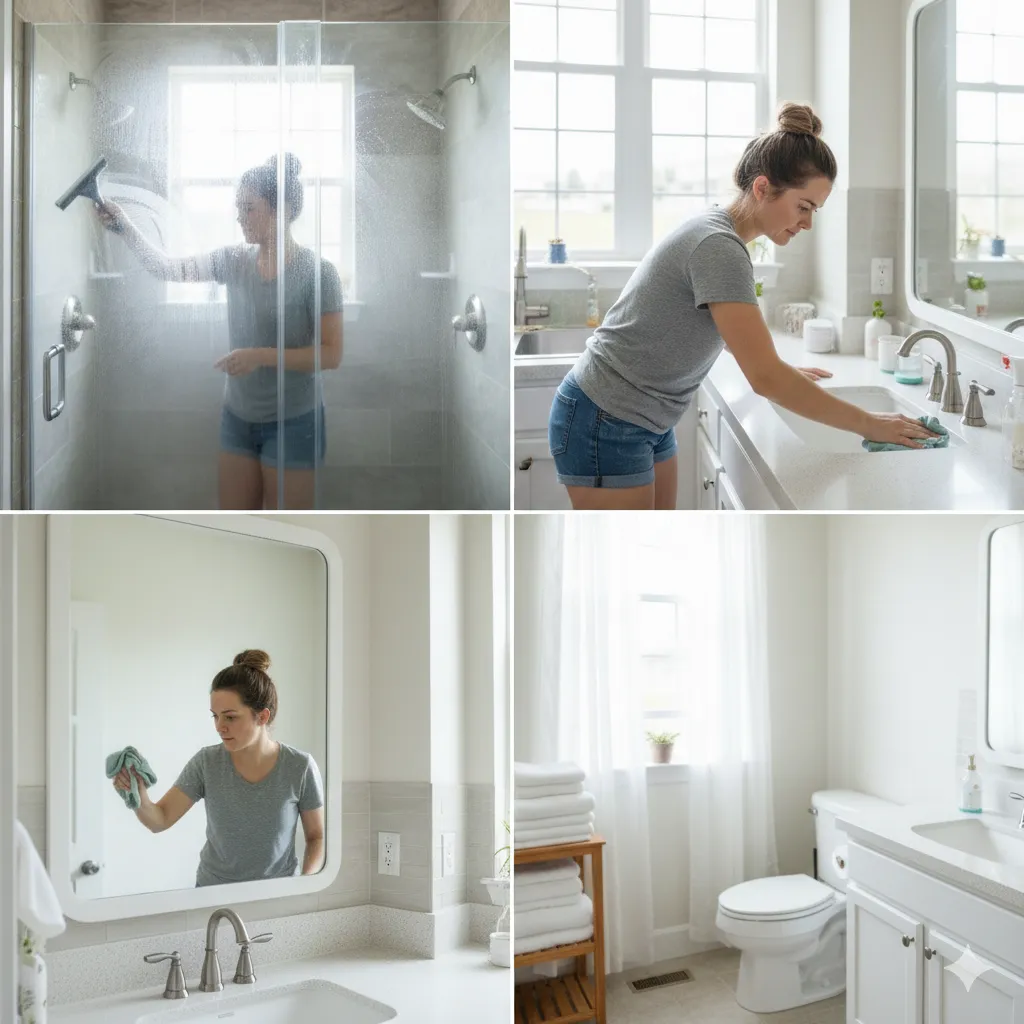
Bathrooms present a particular challenge because they combine high moisture with personal care activities, creating an environment where bacteria, mold, and mildew thrive.
After each use, a quick wipe of the sink and counter takes thirty seconds but prevents soap scum and toothpaste residue from hardening into something that requires serious scrubbing. Squeegee shower walls if you have glass doors—this simple habit can extend the time between deep cleans by weeks.
Weekly bathroom cleaning should be thorough: scrubbing the toilet inside and out, cleaning the shower and tub, mopping floors, and washing bathmats and towels. This is also when you’ll empty the trash and wipe down mirrors and light fixtures. Yes, it’s a lot, but consistency here prevents the kind of bathroom grime that makes you want to hire a hazmat team.
Monthly tasks include washing the shower curtain or liner, cleaning exhaust fan covers, and organizing under-sink cabinets.
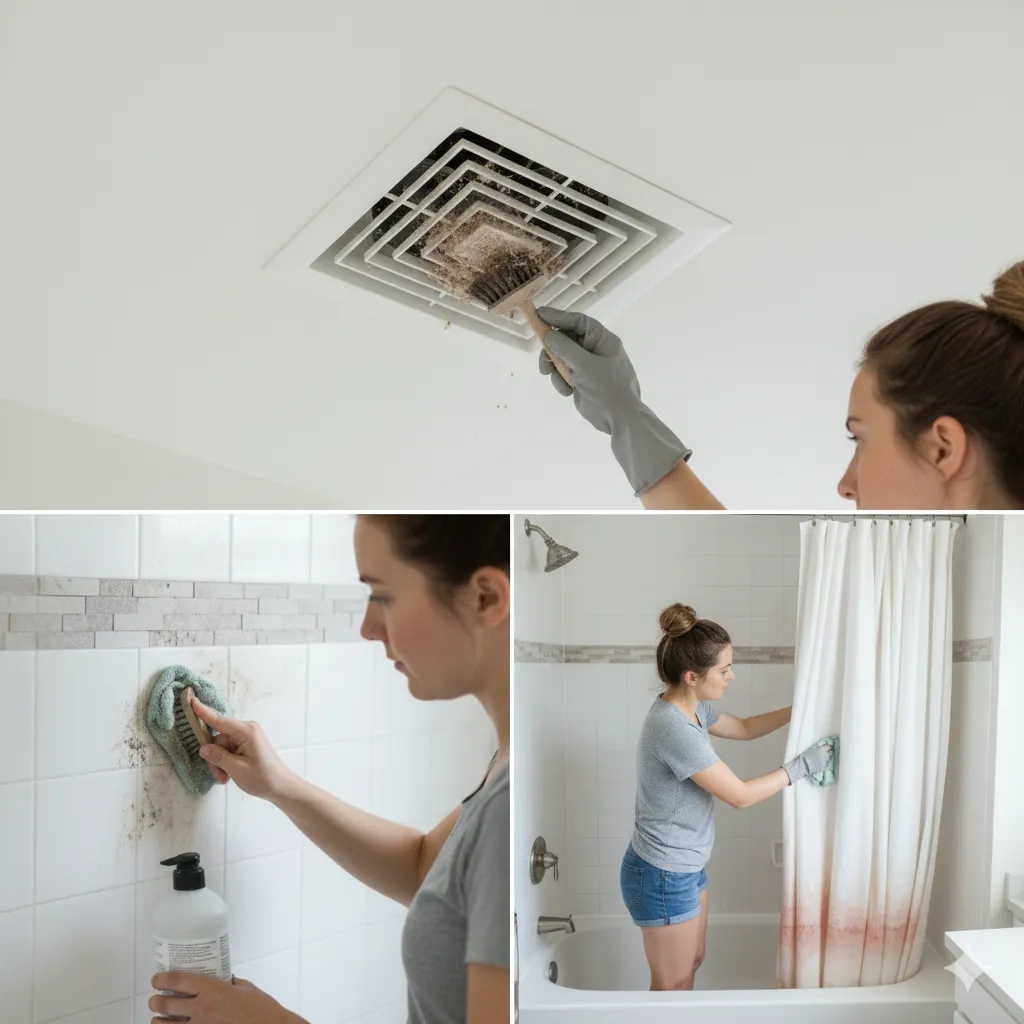
Take a moment to check for any mold or mildew in grout lines and address it before it becomes a renovation project.
The Bedroom: Your Sanctuary Deserves Better
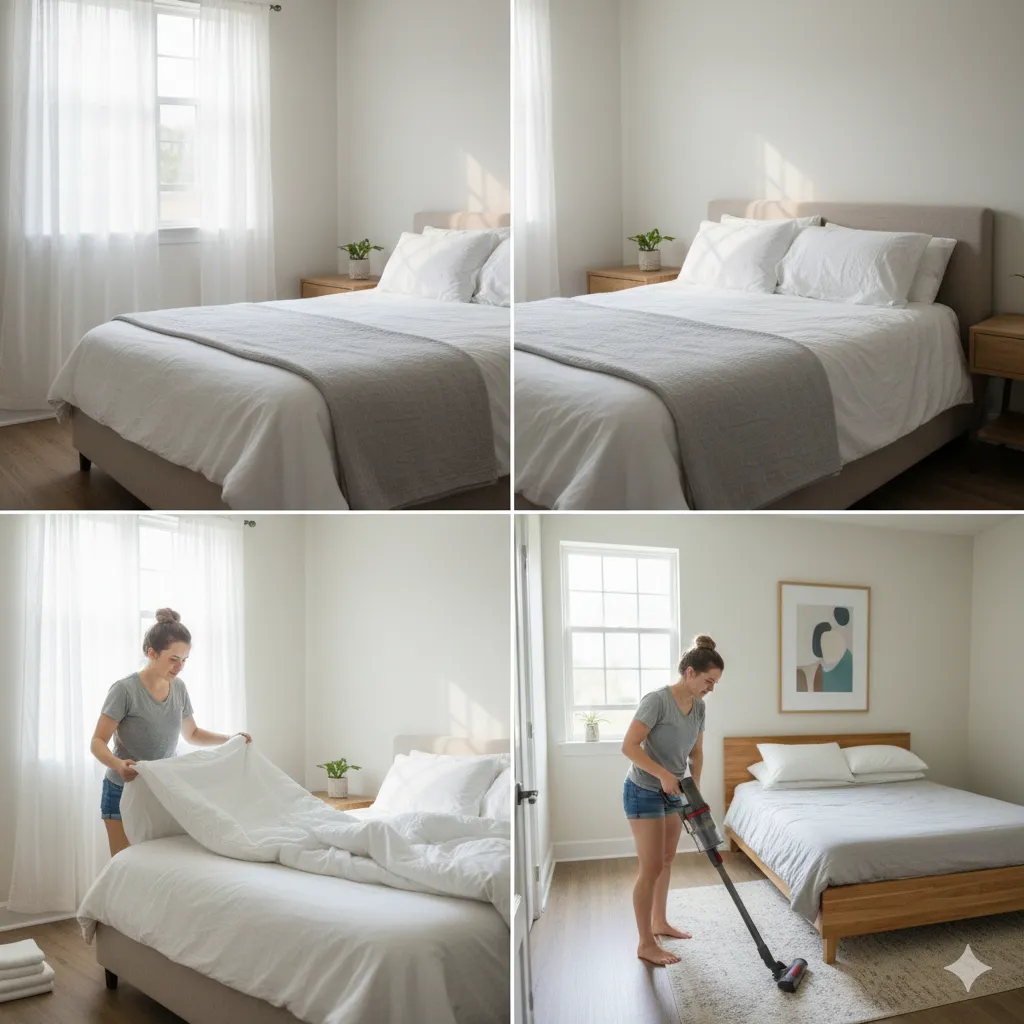
We spend roughly a third of our lives in bed, yet the bedroom often gets the least attention in our cleaning routines.
Weekly bedroom maintenance means changing bed linens, dusting surfaces, and vacuuming or sweeping floors. This frequency isn’t arbitrary—dust mites accumulate quickly in bedding, and for those with allergies, weekly washing makes a noticeable difference in sleep quality.
Bi-weekly or monthly, rotate and flip your mattress (if applicable), dust ceiling fans and light fixtures, and vacuum under the bed. That space beneath your bed frame becomes a surprising repository for dust bunnies that can affect air quality.
Seasonally, wash all bedding including comforters and duvet covers, vacuum the mattress itself, and wipe down baseboards and window sills. This is also a good time to rotate seasonal clothing and declutter closets.
The Living Room: High Traffic, High Maintenance

The living room sees constant use, which means it needs regular attention even though it might not face the same hygiene concerns as kitchens and bathrooms.
Daily quick-cleans involve putting away items that have migrated from other rooms, fluffing pillows and folding throw blankets, and addressing any obvious spills or crumbs. These micro-tasks prevent the slow slide into chaos.
Weekly cleaning includes vacuuming or sweeping floors, dusting surfaces and electronics, and spot-cleaning upholstery if needed. Don’t forget to dust your television screen and wipe down remote controls—these harbor more bacteria than most people realize.
Monthly attention goes to deeper dusting (picture frames, decorative items, bookshelves), vacuuming upholstered furniture with appropriate attachments, and cleaning windows and window sills.
Seasonally, move furniture to vacuum and dust behind it, wash curtains or blinds, and deep clean carpets or rugs. These are the tasks that make your living space feel genuinely refreshed.
The Often-Forgotten Spaces

Certain areas of our homes exist in a cleaning limbo—not quite high-priority enough for weekly attention, but too important to ignore entirely.
Laundry rooms need weekly surface wiping and monthly deep cleaning of the washer and dryer, including lint traps and exhaust vents. Run an empty hot cycle with vinegar in your washing machine monthly to prevent odor and buildup.
Entryways and mudrooms accumulate dirt by design, so weekly sweeping or vacuuming is essential, with monthly organization of shoes, coats, and accessories.
Home offices require weekly dusting of surfaces and electronics, with monthly keyboard and mouse cleaning (these harbor more germs than toilet seats, studies have shown).
Basement and attic spaces need quarterly attention at minimum—checking for moisture, pests, or storage issues before they become expensive problems.
Creating Your Personal Schedule

The frequencies I’ve outlined are starting points, not commandments. Your actual needs depend on numerous factors: household size, presence of pets, local climate, personal health needs, and lifestyle.
A more useful approach is to think in tiers. Tier one tasks are non-negotiable—the things that directly impact health and basic functionality. These happen daily or weekly. Tier two tasks maintain comfort and prevent major problems—these are your bi-weekly and monthly jobs. Tier three tasks are the deep cleans and seasonal projects that keep your home in excellent condition long-term.
Start by establishing your tier one routine consistently. Once that becomes habit, add tier two tasks. This gradual approach prevents the burnout that comes from trying to implement an Instagram-worthy cleaning schedule all at once.
The Real Secret: Prevention
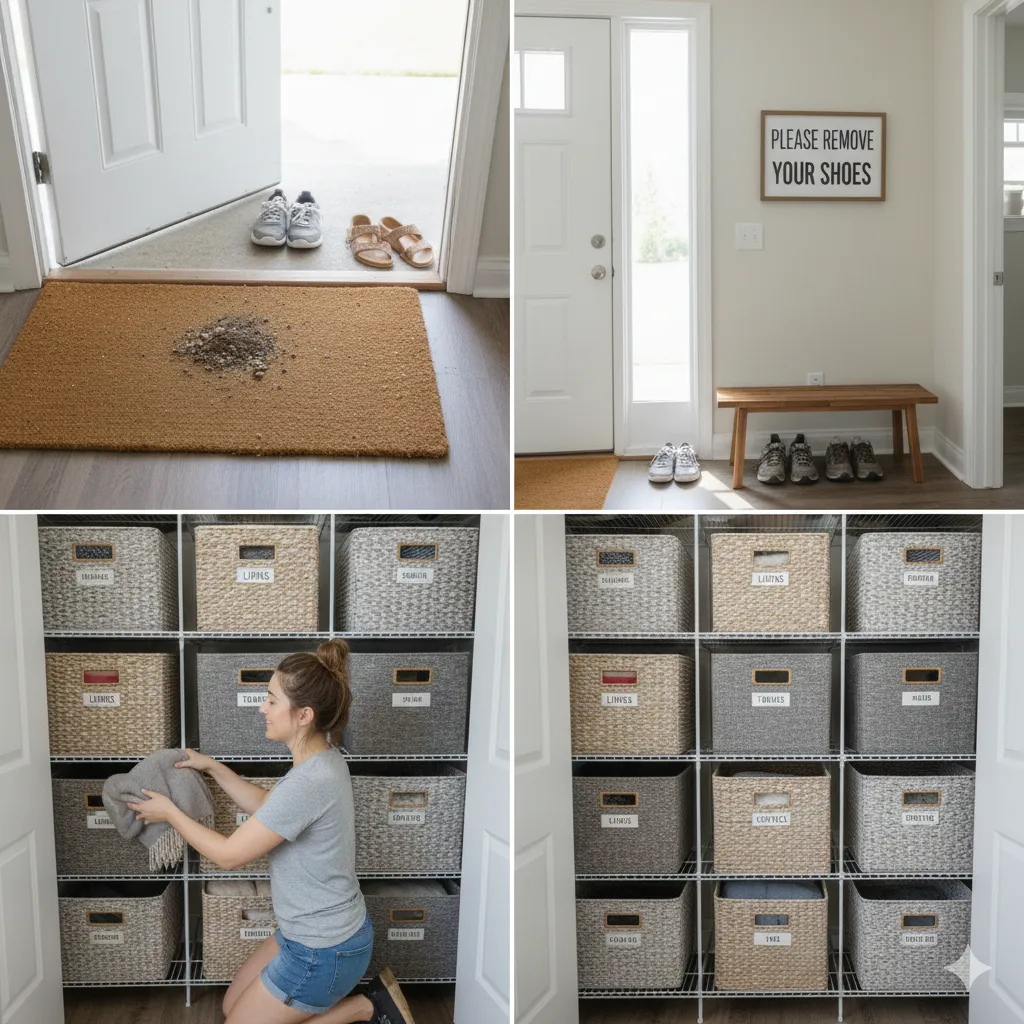
The most effective cleaning strategy isn’t about cleaning more—it’s about preventing messes in the first place. Doormats at every entrance reduce dirt tracked inside. Establishing a “shoes off” policy can cut floor cleaning frequency significantly. Teaching everyone in the household to clean as they go—wiping the sink after brushing teeth, wiping counters immediately after meal prep—reduces the buildup that makes cleaning feel overwhelming.
Storage solutions matter too. When everything has a place, tidying becomes quick rather than time-consuming. When items pile up because there’s nowhere to put them, cleaning feels impossible.
When Good Enough Really Is Good Enough
Perhaps the most important thing to understand about cleaning frequency is that perfection isn’t the goal—livability is. Your home should be clean enough to be healthy and comfortable, not clean enough to photograph for a magazine spread.
There will be weeks when life intervenes and your bathroom doesn’t get its weekly scrub. There will be months when you skip the deep clean because you’re dealing with a work crisis or a family situation. That’s not failure—that’s being human.
The goal isn’t to maintain a show home; it’s to create a space that supports your life rather than consuming it. Sometimes that means choosing to spend Sunday afternoon reading with your kids instead of organizing the linen closet. Sometimes it means hiring help for deep cleans if your budget allows. Sometimes it means accepting that your standards might differ from your neighbor’s or your mother’s, and that’s perfectly fine.

Clean your home as often as you need to feel comfortable and healthy in it. Adjust as your circumstances change. And remember that the purpose of cleaning is to make your home a better place to live—not to make your life revolve around your home.